

I design systems that simplify complex workflows
I help teams improve efficiency, reduce friction, and build scalable experiences.
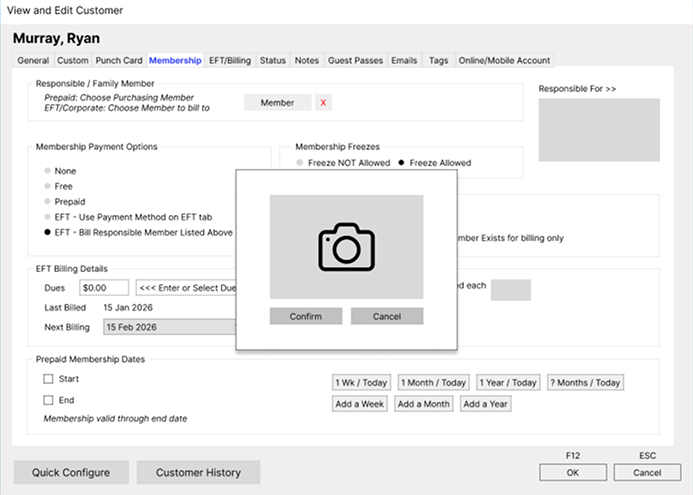
Reducing Membership Setup Errors in a Complex CRM
Transformed a fragmented, error-prone membership setup process into a structured, guided workflow.
Reduced setup errors, eliminated redundant manual verification, and improved staff efficiency.
Redesigned a fragmented, error-prone membership setup into a structured, guided workflow.

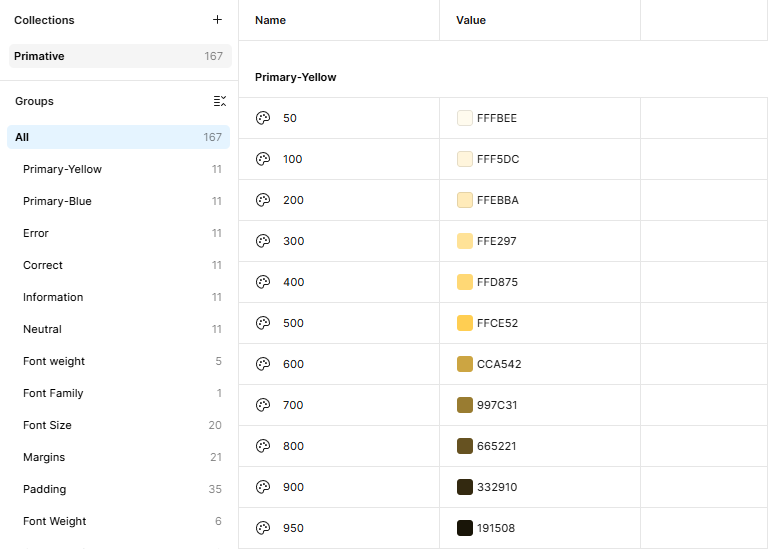
Building a Scalable Design System for an E-commerce Platform
Design System & E-commerce Experience
Designed a scalable design system and optimized key e-commerce flows to reduce friction and improve consistency across the platform.
Standardized UI patterns and clarified core user journeys, creating a more predictable experience and enabling faster design iteration.
I design scalable systems that simplify complex workflows
Texas A&M (TeamUp Program) - UX Designer
As a UX Designer in the Texas A&M TeamUp program, I collaborated with engineering teams to design accessible, scalable user experiences for student-led products.
I focused on improving information architecture, user flows, and consistency across the product, while advocating for user-centered design in a fast-paced, assumption-driven environment.
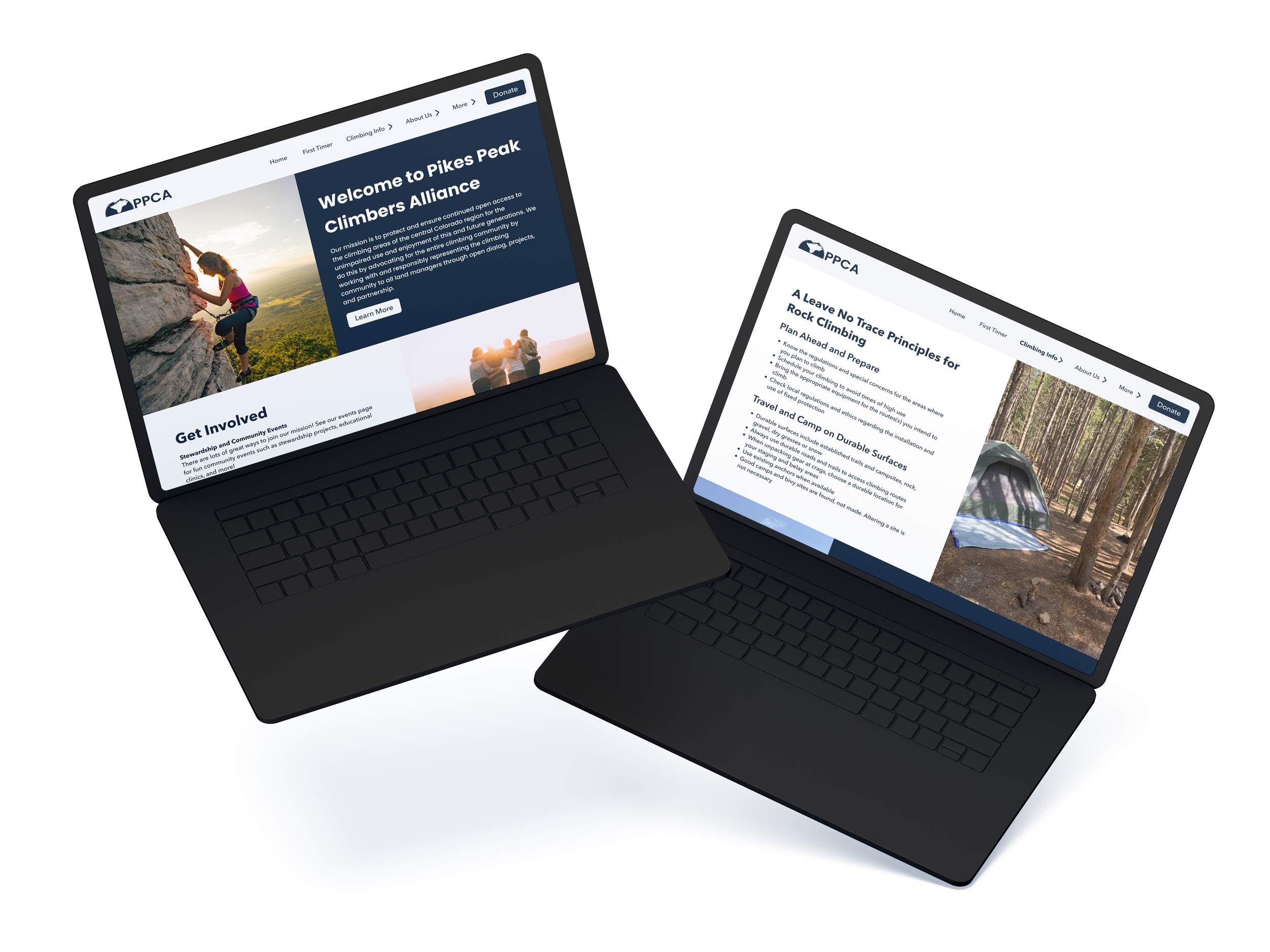
Redesigning a Website
Protecting the places we play: A digital home for Colorado climbers.
Designed a high-fidelity website experience and scalable UI foundation to help modernize PPCA’s digital presence.
Established consistent patterns and structure to improve usability and support future growth.
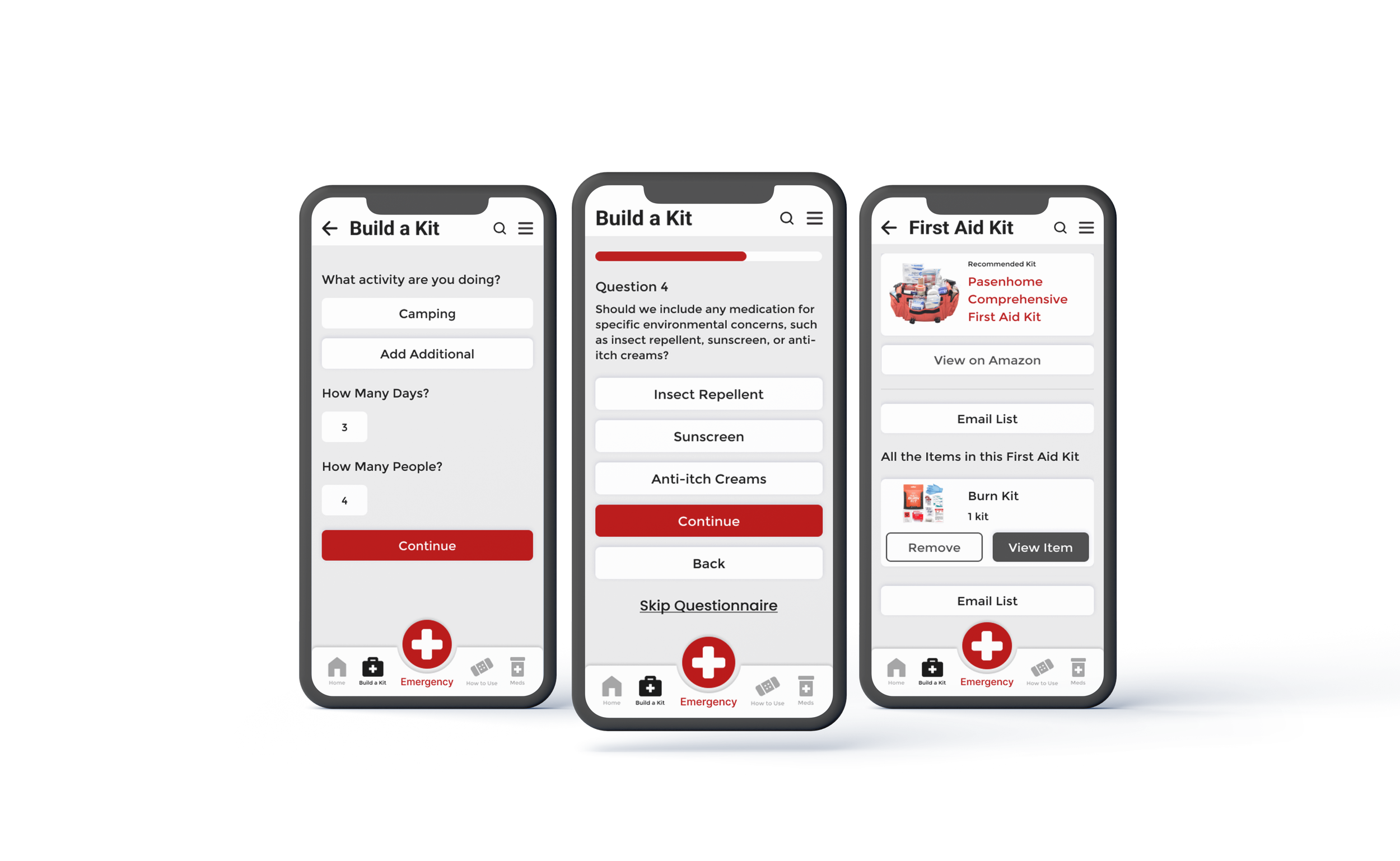
End to End App Design
Designing Clarity in Crisis: A Modular Framework for Emergency Preparedness.
Designed Trauma Kit, a guided first-aid system that helps users prepare and respond effectively in emergency situations.
Built a predictable, accessible experience that reduces cognitive load and provides clear, actionable guidance during high-stress moments.
More work solving complex systems and workflows
Mentor feedback:
“Ryan’s grit, determination, and ability to quickly grasp new concepts stood out immediately.
He brings a strong user-centered approach grounded in empathy and accessibility, consistently delivering high-quality work.”
—Sasha Siabriuk, Sr. UX Designer & Mentor
How I Approach Design


Accessibility
I design experiences that are usable by everyone, building accessibility into the system from the start, not as an afterthought.
User Centered Design
I ground decisions in user needs, balancing business goals with real user behavior and expectations.
Usability
I simplify complex workflows into clear, intuitive steps that reduce cognitive load and prevent errors.
Systems Thinking
I design with systems in mind, creating scalable patterns and consistent interactions across the product.
Contact me!
Ryanmurray188@gmail.com
(719) 963-0442